The role of midwives in reducing childbirth injuries
- Obstetric fistula is largely preventable when women can access skilled care during pregnancy and childbirth.
- In rural Ethiopia, many women give birth without a skilled attendant or timely access to emergency obstetric services.
- Training and supporting midwives in underserved communities can bring care closer, help identify complications early and support timely referrals.
The best way to eradicate obstetric fistula? Prevent it from occurring in the first place. Dr Anteneh Dirar, Dean of the Hamlin College of Midwives in Ethiopia, explains why expanding the country's skilled midwifery workforce is essential to ensuring every woman can give birth safely.
Ethiopia has made remarkable progress in maternal healthcare. Since 2000, maternal mortality has fallen from almost 900 deaths per 100,000 live births to approximately 195.
Yet despite these achievements, significant challenges remain, particularly in ensuring women in rural communities have access to skilled maternity care.
Today, half of all Ethiopian women still give birth at home. Many do so without a midwife, nurse or doctor in attendance. Without antenatal check-ups, ultrasounds or qualified healthcare advice. And, most concerningly, without access to emergency obstetric services if complications arise.
Nearly 80% of Ethiopia's population lives in rural areas, where poor roads, mountainous terrain and long distances make reaching a health facility difficult. Poverty, limited education and traditional birthing practices create additional barriers.
For these women, childbirth can be a dangerous and unpredictable experience. Every year, an estimated 1,000 Ethiopian women develop obstetric fistula, a devastating childbirth injury that has been largely eradicated in high-income countries. Tragically, around 90% of these women also lose their baby.
Closing this gap requires more than improving access to health facilities. It requires bringing skilled midwives closer to the women who need them.
Midwives are the key to prevention
Dr Catherine Hamlin understood that treating obstetric fistula was only part of the solution.
While she dedicated her life to restoring the health and dignity of women living with childbirth injuries, she recognised that prevention was essential to eliminating fistula altogether. It was this understanding that led her to establish the Hamlin College of Midwives in 2007.
Today, Ethiopia has approximately 10 nurses or midwives for every 10,000 people, compared with around 14 times that number in Australia. There is also a critical shortage of doctors, particularly in rural communities.
We cannot address these shortages overnight. But expanding the skilled midwifery workforce is one of the most effective ways to close the maternal healthcare gap.
A qualified midwife can provide comprehensive care throughout pregnancy, childbirth and the postnatal period. They can identify high-risk pregnancies, recognise complications early, manage prolonged labour, and arrange timely referrals when emergency obstetric intervention is required.
Equally importantly, they can educate women about reproductive health, family planning and safe childbirth, helping communities understand when and why skilled maternal care is so essential.
When women cannot access skilled maternal healthcare, we need to bring these essential services closer to where they live. By training and deploying more midwives in rural communities, we can help prevent devastating childbirth injuries before they occur.
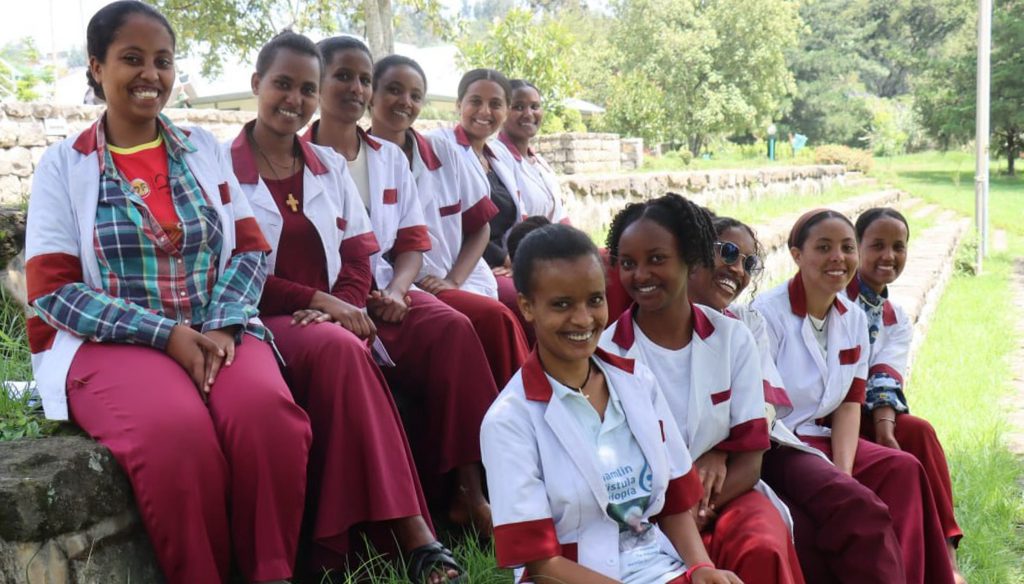
Training midwives for rural Ethiopia
At the Hamlin College of Midwives, our mission is to train and deploy skilled, compassionate and confident midwives to improve maternal and newborn health in rural Ethiopia.
We deliberately recruit students from underserved rural communities, selecting individuals committed to returning to these areas to live and work. Each student receives a full scholarship covering their tuition and residential costs, and in return commits to serving in a rural community for at least three years after graduation.
With countries around the world competing for skilled healthcare professionals, this approach helps ensure our investment in midwifery education benefits the communities where the need is greatest.
Training more midwives, however, is only one part of the challenge. We must also ensure they have the resources, professional support and career opportunities needed to remain in rural practice.
Through Hamlin Fistula Ethiopia, we support rural health facilities with essential medicines, equipment and infrastructure. We also provide accommodation or housing assistance for midwives working in remote communities.
Our structured mentorship program connects graduates with experienced midwives who provide clinical guidance, encouragement and professional support. Continuing professional development opportunities help graduates strengthen their skills and remain engaged in their profession.
This support is essential. A midwife working in an isolated rural community should never feel they are working alone.
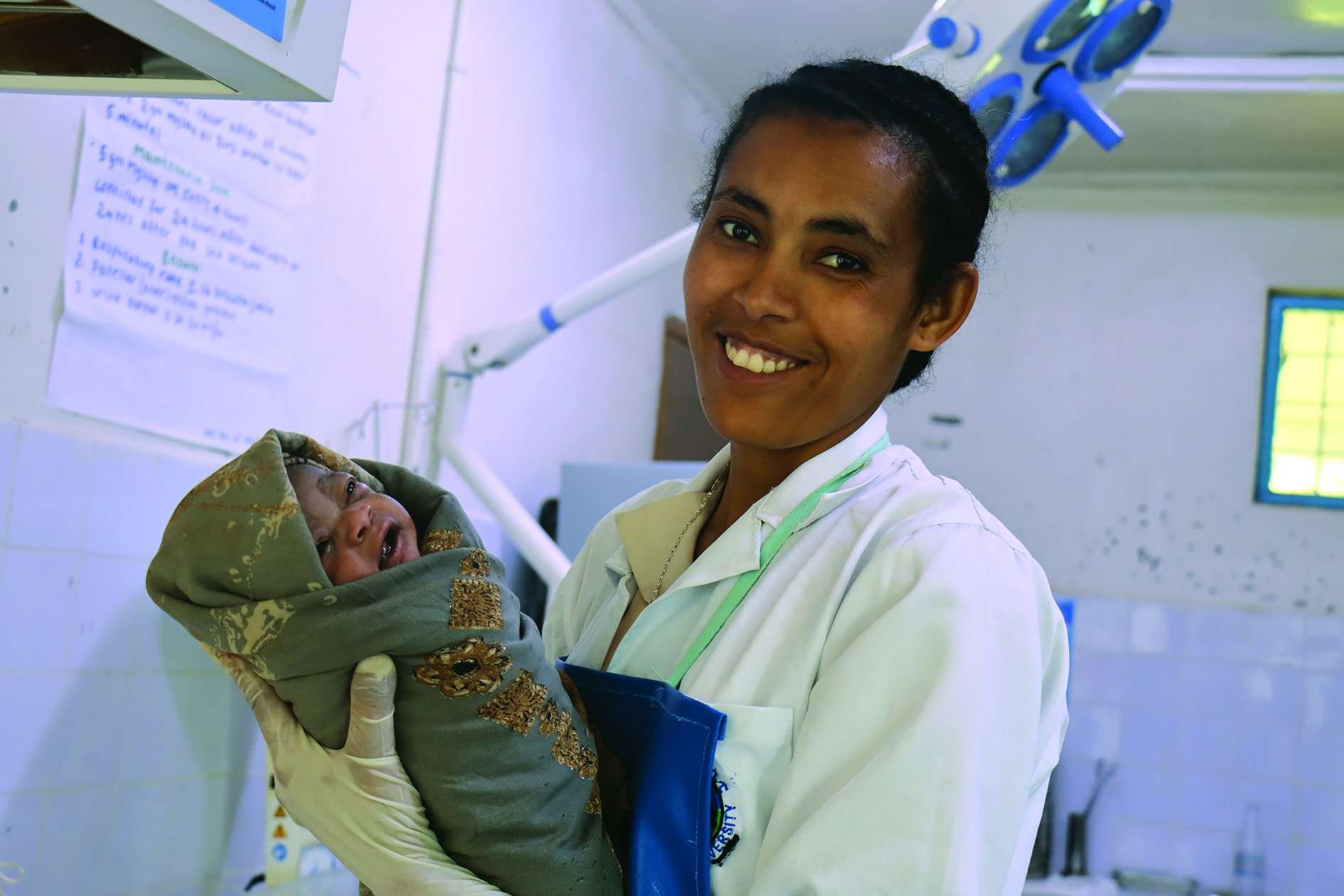
The impact of one midwife
The difference skilled midwifery care makes can be profound.
Dingete (pictured) is a Hamlin College of Midwives graduate and has spent five years supporting women in the remote Jarso Woreda district. She provides antenatal care, identifies high-risk pregnancies, supports safe deliveries and coordinates referrals when complications arise.
New obstetric fistula cases in her district have fallen to almost zero. Her contribution extends beyond clinical care. She has become a trusted figure in her community. One mother, Musteriya, describes Dingete as "the most important person in our community".
Her story demonstrates what is possible when skilled midwives are available where women need them most.
Building the workforce of the future
My vision is for the Hamlin College of Midwives to become a centre of excellence in midwifery education, research and community service.
Recent expansion of our facilities will enable us to increase enrolments while maintaining the quality of our training. We are also strengthening postgraduate education, including our Masters program, to develop advanced clinical skills and stronger referral pathways.
Our ambition extends beyond producing more graduates. We want to strengthen continuing professional development, and embrace digital education technologies, such as simulation labs and e-learning activities. Plans are also underway to generate new research that informs maternal healthcare policy and practice.
Above all, we must work collaboratively with government, regional health authorities and other partners to ensure midwives can practise effectively and remain in underserved communities.
Eliminating obstetric fistula is not simply a medical objective. It is a matter of dignity, equity and women's rights.
Every woman deserves access to safe, respectful maternity care, regardless of where she lives. And every midwife we train and support brings Ethiopia one step closer to that future.
DONATE TODAY TO HELP TRAIN MORE HAMLIN MIDWIVES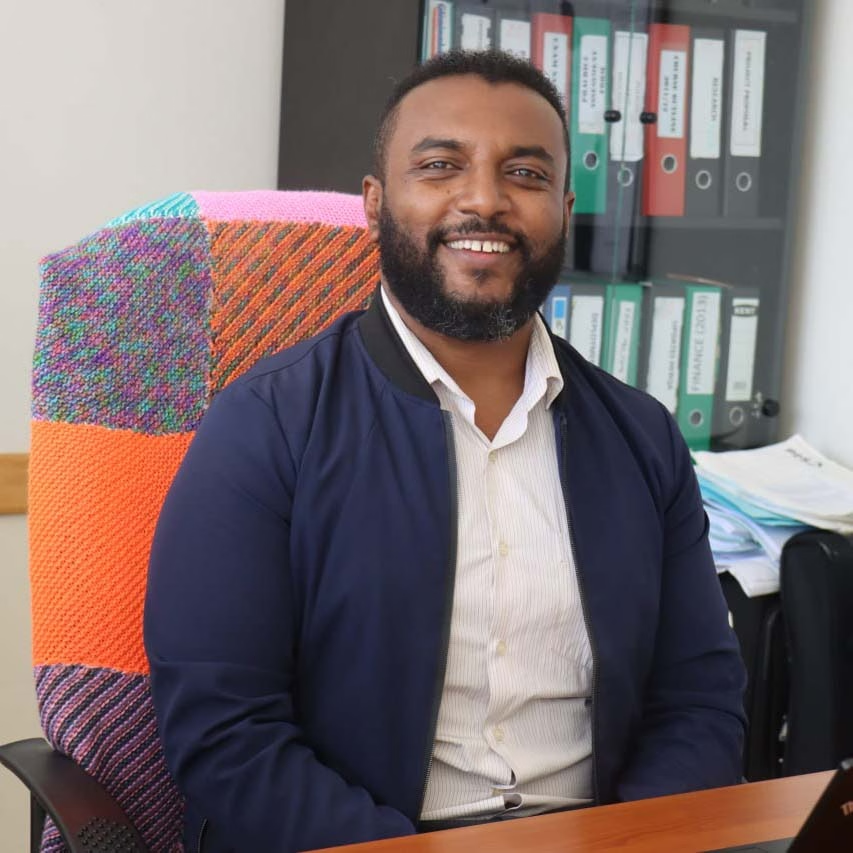
About the Author:
Dr. Anteneh is the Dean of Hamlin College of Midwives, where he also serves as an Assistant Professor. He holds a BSc degree in Public Health, M.Phil. in Public Health (Reproductive Health), Postgraduate Diploma in Higher Education Teaching from Haramaya University, and PhD from Addis Ababa University. His background includes over fifteen years in higher education. Dr Anteneh is also the author or co-author of more than 19 peer-reviewed papers in the areas of reproductive, maternal, child, and adolescent health. As Dean, Dr. Anteneh is deeply committed to fostering academic excellence, promoting research, supporting faculty development, and enhancing the student experience.